Basement Mold Remediation Cost
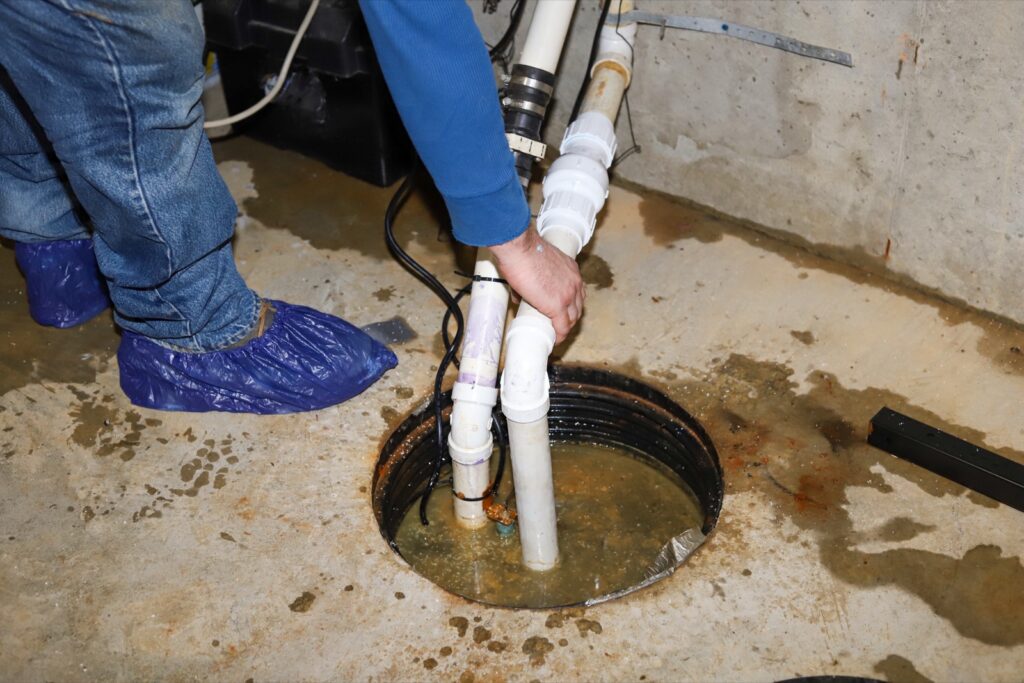
Basement mold sits at the intersection of two things that make remediation expensive: chronic moisture and finished materials. A bare, unfinished basement with growth on the foundation wall is a cleaning job. A finished basement where mold has moved into drywall, framing, carpet and the pad is a demolition-and-rebuild job — and the difference between those two is most of the price range.
Midpoint $3,662. The range moves by metro with local labor and moisture load. See the Atlanta breakdown, or pick your metro for a local number.
Why basements grow mold
A basement is below grade, surrounded by soil that holds moisture, and it’s the coolest space in the house — which makes it the place where humid air condenses first. Mold follows water, and in a basement the water arrives several ways at once:
- Vapor through the foundation. Concrete and block are porous; ground moisture wicks through the walls and slab even when there’s no visible leak, keeping the space damp.
- Poor drainage outside. Grading that slopes toward the house, downspouts that dump at the foundation, or a failing sump pump send water to the walls.
- Humidity and condensation. Warm summer air meeting cool basement surfaces — walls, ductwork, the slab — condenses and feeds growth, especially where finished walls trap it.
- Plumbing and appliance leaks, since water heaters, laundry, and supply lines often live down there.
The distinction that drives cost: in a finished basement, the mold is usually behind the drywall, on the back of the paper facing and the framing, where the trapped humidity sits. You often can’t see how far it’s gone until the wall comes off.
Signs of basement mold
Basements hide mold well, so trust your nose as much as your eyes. Watch for:
- A musty, damp smell — often the first sign in a finished basement;
- Dark spots or fuzzy growth on concrete, drywall, framing, or stored belongings;
- Efflorescence (a white, chalky mineral crust) or damp patches on the foundation walls;
- Peeling paint, warped baseboard, or buckled or cupped flooring;
- Condensation on walls, pipes, or windows.
The sooner you catch it, the less finished material has to come out — the biggest driver of a basement bill.
Why it costs what it does
- Finished vs. unfinished. This is the single biggest lever. Unfinished: contain, HEPA-clean and treat the masonry, address the moisture, done. Finished: remove drywall and insulation to a foot or two above the visible line, pull baseboards, lift carpet and pad, treat the framing, then it all has to be rebuilt (rebuild is quoted separately from remediation).
- Contamination class. How far the growth has spread, and whether it’s into structural framing rather than just surface materials, decides how much comes out. This drives price harder than the footprint of the room.
- Containment and drying. Basements are large volumes to seal and dry; more square footage of containment, more air scrubbers, and often several days of dehumidification run up the hours.
What a basement remediation usually includes
- Assessment and moisture-source diagnosis (drainage, vapor intrusion, a leak, humidity);
- Containment and negative-air setup, isolating the basement from the floor above;
- Controlled removal of contaminated finishes — drywall, insulation, baseboards, carpet and pad;
- HEPA vacuuming and antimicrobial treatment of framing and masonry;
- Structural drying with dehumidifiers and air movers;
- Post-remediation verification before anything is closed back up.
Two things are almost always separate from the remediation number: rebuilding the finished space that came out, and fixing the moisture source — regrading, extending downspouts, adding or repairing a sump and drain tile, or installing interior perimeter drainage. Skip the moisture fix and the mold comes back into the new drywall.
When it’s bigger than it looks
A basement quote escalates when growth has reached the sill plate or floor joists (structural treatment or partial replacement), when a large finished area has to be gutted rather than spot-repaired, when standing water or a sewage backup puts the job into a higher contamination category with stricter handling, or when the moisture correction itself is major — an interior French drain and sump system is a five-figure line on its own, separate from the mold work. A basement that floods repeatedly isn’t really a mold job until the water is controlled.
How to read a basement quote
Insist on three separate buckets: remediation (containment, removal, cleaning, drying, verification), the moisture fix (drainage, sump, grading, waterproofing), and the rebuild (new drywall, insulation, flooring, trim, paint). A quote that fuses all three into one figure is where a $4,000 remediation quietly becomes a $12,000 project. Our modeled range is the remediation scope only.
Ask how far up the wall they’re cutting and why, and how they’ll confirm the framing behind is dry before it’s closed. Those answers tell you whether you’re buying a real fix or a cosmetic one.
Preventing basement mold
A dry basement is a moisture-management problem, and the fixes are the same ones that keep mold from returning:
- Move water away from the foundation: extend downspouts and correct the grading so soil slopes away from the house;
- Keep a working sump pump where the water table calls for one;
- Seal or repair foundation cracks and failed penetrations;
- Run a dehumidifier to keep humidity in check;
- Insulate cold water pipes and check after heavy rain or snowmelt.
Find your local number
Basement costs track local labor and how humid and wet your region is — a humid, high-water-table metro carries both a longer moisture season and a bigger drainage problem. Choose your metro for a modeled range built from your area’s wages and climate. If the growth extends into the framing or up into the floor above, the related guides cover how the scope changes.
Common questions
How much does basement mold removal cost?
Basement remediation commonly runs from the low four figures up, and the modeled range here moves by metro and by how much finished material is involved. A small area on a concrete wall is cheaper than a finished basement where drywall, framing, and flooring have to come out. Pick your metro for a local number.
Does homeowners insurance cover basement mold?
Typically only when it follows a sudden, covered water loss — not long-term seepage, humidity, or flooding (which usually needs separate flood coverage). Coverage and limits vary, so check your policy and ask your insurer.
Can I clean basement mold myself?
The EPA suggests homeowners can often handle areas under about 10 square feet on hard surfaces. Larger areas, finished walls, recurring dampness, or anything involving sewage or flood water are stronger reasons to use a professional.
What drives basement remediation cost?
How much finished material must be removed and rebuilt, the containment required, and — most of all — fixing why the basement is wet: grading, a failed seal, or a sump/drainage problem. The moisture fix is quoted separately and skipping it brings the mold back.
How do I stop basement mold returning?
Control the water: correct grading and downspouts, seal or repair the foundation as needed, and keep humidity down with a dehumidifier and a working sump where appropriate. Fix the source before, or alongside, the remediation.
More cost guides
Attic Mold Remediation Cost
What drives the price of attic mold remediation — ventilation, roof leaks, and how much sheathing has to come out.
Read →Bathroom Mold Remediation Cost
Most bathroom mold is a surface job; the cost jumps only when water gets behind the tile or drywall. How…
Read →Crawl-Space Mold: What Remediation Costs, and Why
The crawl space is where mold remediation gets expensive. It’s the scope that most often turns a four-figure job into…
Read →Drywall vs. Framing: What Has to Come Out
The cost driver behind every scope — whether contaminated material is cleaned and kept or removed and rebuilt.
Read →HVAC & Ductwork Mold Remediation Cost
Mold in the coil, air handler, and ductwork — clean vs. replace, the moisture source, and how to read an…
Read →