Attic Mold Remediation Cost
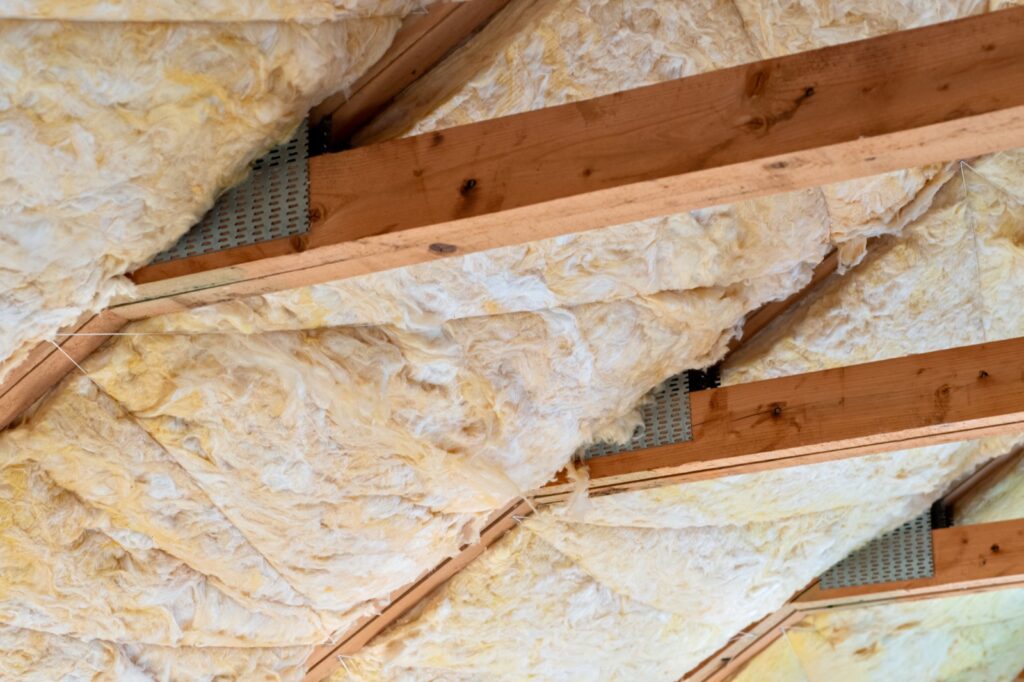
Attic mold usually isn’t a moisture problem you created inside the house — it’s one the roof and the ventilation created above it. That matters for cost, because the price of an attic remediation turns almost entirely on why the mold is there and how much of the roof sheathing it reached. A little surface growth on the underside of the plywood is a manageable job; sheathing that has to come out is a different number entirely.
Midpoint $2,077. The range shifts by metro with local labor and how humid the market is. See the Atlanta breakdown, or pick your metro for a local number.
Why attics grow mold
An attic is a temperature and humidity trap. Warm, moist air from the living space rises and leaks into the attic through gaps around light fixtures, the attic hatch, and top plates. When that air meets the cold underside of the roof sheathing in winter — or when a humid summer keeps the whole cavity damp — it condenses on the wood, and mold establishes on the paper-faced surfaces and the plywood itself.
A handful of specific causes account for most attic jobs:
- Blocked or missing ventilation. Insulation stuffed over the soffit vents, or too few ridge and soffit vents to move air, lets moisture sit against the sheathing.
- Bathroom and dryer vents dumping into the attic. A fan that exhausts into the attic instead of through the roof pumps warm, wet air straight onto the cold plywood. This is one of the most common causes, and one of the cheapest to fix once it’s found.
- Roof leaks. A failed flashing, a cracked boot around a vent pipe, or storm damage lets water in at a specific spot, and mold follows the stain.
- Ice dams, in northern metros, which back water up under the shingles and into the sheathing.
Because the cause lives in the building envelope, an attic estimate that doesn’t address the moisture source is quoting you a repeat visit.
Signs of attic mold
Because few people spend time up there, attic mold often spreads for weeks before anyone notices. Next time you’re in the attic, look for:
- Dark spots, streaking or discoloration on the underside of the roof sheathing, rafters or trusses;
- A musty, earthy smell when you open the hatch;
- Frost or condensation on nails and the underside of the deck in cold weather;
- Water stains, or peeling or bubbling paint on the ceiling below;
- Damp, matted or discolored insulation.
Catching it early keeps the affected area — and the cost — smaller. If you’re not sure what you’re seeing, an inspection is the low-cost first step.
Why it costs what it does
Three things move an attic price, and none of them is the square footage of your house:
- Access and working conditions. A crew works on its knees between joists, in a space that’s often under four feet of clearance and well over 100 °F in summer, hauling material out through a single small hatch. Labor hours per square foot run high, and productivity is low.
- How much has to come out. Surface growth on sound sheathing can be HEPA-vacuumed, treated, and encapsulated in place — the low end of the range. Contaminated insulation almost always comes out and gets replaced. If the plywood itself is compromised, sheathing replacement means a roofer, not just a remediator, and the number climbs fast.
- Containment. The attic connects to the living space through that hatch and every ceiling penetration. Sealing it off, running HEPA negative-air filtration, and keeping spores out of the house during removal is where a real chunk of the hours go.
What an attic remediation usually includes
- Assessment and identification of the moisture source (ventilation, a leak, a mis-vented fan);
- Containment at the attic access and negative-air setup;
- Removal and bagging of contaminated insulation;
- HEPA vacuuming and treatment of the rafters and roof sheathing, and often an encapsulant coating;
- Correcting the airflow — clearing soffit vents, adding baffles, re-routing a bath fan to the exterior;
- Replacing insulation to the correct depth;
- Post-remediation verification.
Re-insulating and re-establishing ventilation are part of a durable fix, but they’re also where quotes differ — some include new insulation, some leave it to you.
When it’s bigger than it looks
An attic quote jumps when growth has gone past the surface of the sheathing into the structure — when plywood panels or rafters need replacing, which brings roofing labor into the job. It climbs again when the mold is whole-attic rather than a stain around one leak, when the ventilation correction is substantial (adding a ridge vent, cutting new soffit vents), or when the remediation reveals a roof that needs work anyway. If a re-roof is already on the horizon, sequencing the two together can save a second mobilization.
How to read an attic quote
Ask for the job in separate line items: remediation (containment, insulation removal, cleaning, treatment), insulation replacement, ventilation correction, and any roof or sheathing repair. A single bundled number is hard to compare and easy to pad, and it hides whether the moisture source is actually being fixed. Our modeled range covers the remediation scope; new insulation, ventilation upgrades, and roof work are additional.
Also ask the simple diagnostic question: what’s being cleaned versus removed? The answer separates a low-end job from a high-end one more reliably than anything else on the page.
Preventing attic mold
Remediation only lasts if the moisture problem is fixed, so prevention is largely the same list as the cure:
- Vent bathroom, kitchen and dryer exhaust to the outside — never into the attic;
- Keep soffit and ridge vents clear so the attic can breathe;
- Repair roof leaks and flashing promptly, and keep gutters clear so water doesn’t back up under the roofline;
- Add or balance insulation to reduce condensation on cold surfaces;
- Check the attic a couple of times a year, especially after heavy rain or a hard freeze.
A quick seasonal look and a working exhaust path prevent most repeat problems.
Find your local number
Attic costs move with local labor and how humid your metro is — a humid Southern attic carries a longer moisture season than a dry Western one. Choose your metro for a modeled range built from your area’s wages and climate, then use it to sense-check any quote you’re given. And if the growth reaches finished ceilings below, see the related cost guides for how the scope — and the price — changes.
Common questions
How much does attic mold removal cost?
Most attic remediation runs a few thousand dollars, and the modeled range on this page shifts by metro with local labor and how far the growth has spread. A small, accessible patch sits at the low end; jobs that involve removing insulation, replacing sheathing, or fixing the roof or ventilation run higher. Pick your metro for a local range.
Does homeowners insurance cover attic mold?
Often only when the moisture came from a sudden, covered event such as a burst pipe. Mold from a slow roof leak, condensation, or poor ventilation is usually excluded, and mold coverage can carry separate caps. Check your policy and ask your insurer.
Can I remove attic mold myself?
The EPA says homeowners can often handle areas under about 10 square feet. Attic mold usually sits on porous wood over a larger area, with tight access and an unresolved ventilation or roof issue, which puts most attic jobs into professional territory.
What makes attic remediation expensive?
Access (crews work bent over in a hot, tight space), how much insulation and sheathing has to come out, the containment the job requires, and fixing the moisture source — a roof leak, or a bathroom or dryer vent dumping moist air into the attic.
How do I keep attic mold from coming back?
Fix the moisture source: vent bathroom, kitchen, and dryer exhaust to the outside rather than into the attic, keep soffit and ridge vents clear, and repair roof leaks promptly. Remediation without the moisture fix is a repeat visit.
More cost guides
Basement Mold Remediation Cost
Finished vs. unfinished is the biggest lever in a basement mold job — plus drainage, contamination class, and what a…
Read →Bathroom Mold Remediation Cost
Most bathroom mold is a surface job; the cost jumps only when water gets behind the tile or drywall. How…
Read →Crawl-Space Mold: What Remediation Costs, and Why
The crawl space is where mold remediation gets expensive. It’s the scope that most often turns a four-figure job into…
Read →Drywall vs. Framing: What Has to Come Out
The cost driver behind every scope — whether contaminated material is cleaned and kept or removed and rebuilt.
Read →HVAC & Ductwork Mold Remediation Cost
Mold in the coil, air handler, and ductwork — clean vs. replace, the moisture source, and how to read an…
Read →